River HistorY
The Los Angeles River began as a restless, living system—wide, seasonal, and unpredictable. It shifted course with storms, feeding wetlands and wildlife across the basin. For the Tongva, it was a source of life, movement, and meaning.
In 1781, Spanish settlers founded El Pueblo de Los Ángeles beside the river, relying on it for water and farming. But major floods in the 1800s reshaped its path, reminding the growing city that control was an illusion.
In the early 20th century—with further flooding—the U.S. Army Corps of Engineers encased much of the river in concrete, turning it into a flood-control channel. The wild river was straightened, hardened, and largely forgotten.
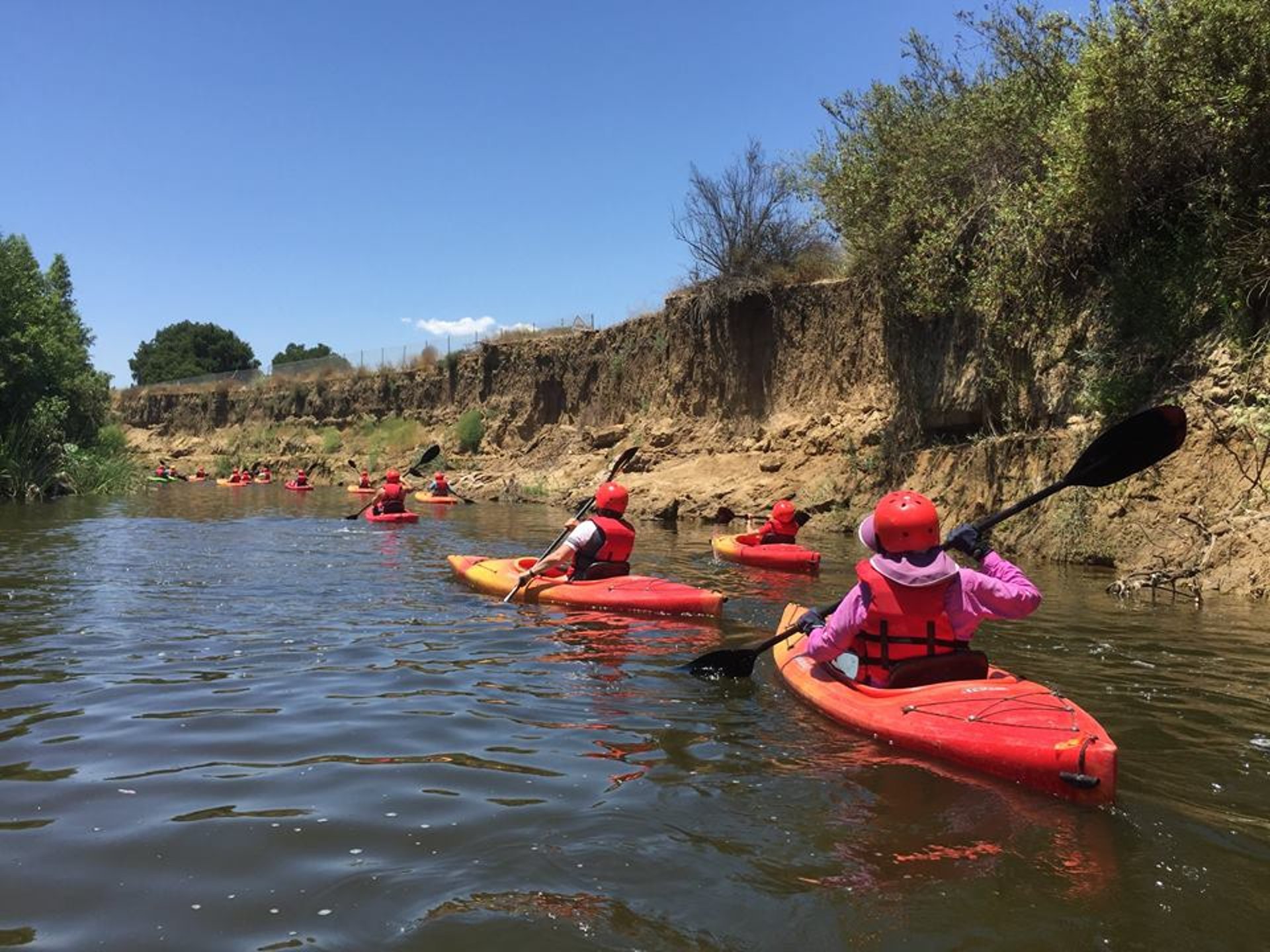
In recent decades, the story has shifted again. Community groups and city leaders have begun restoring parts—adding green space, improving access, and inviting life back in. Plans like the Los Angeles River Revitalization Master Plan aim to reconnect people to the waterway.
Today, the river lives in two worlds: engineered and alive. It still carries stormwater to the sea—but it also carries possibility, threading nature back through the heart of Los Angeles.
Wildlife & Ecology
What's out there? As a matter of fact, lots!
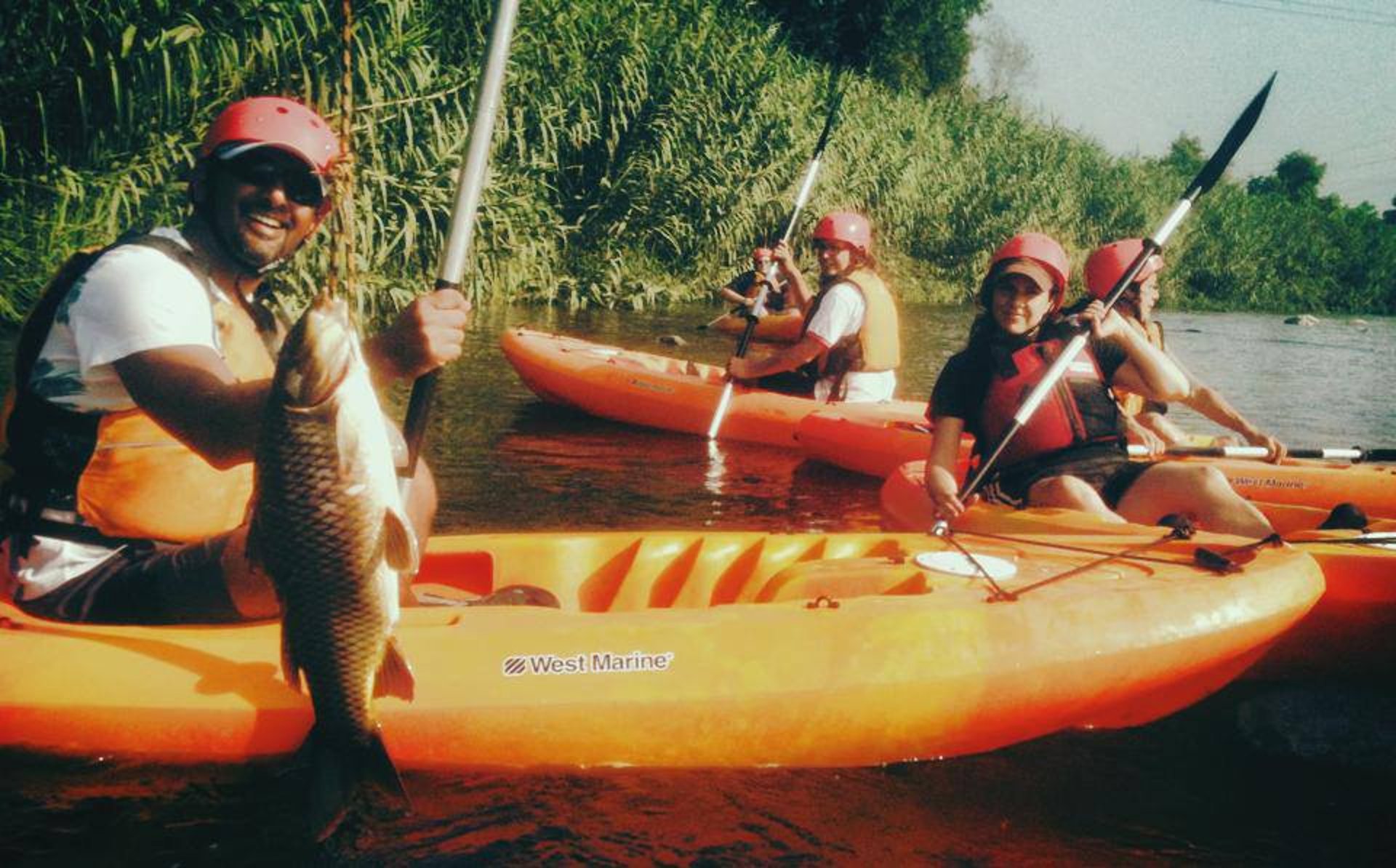
The LA River may look engineered, but life persists. In softer-bottom stretches—like Elysian Valley—water flows year-round, creating pockets of habitat where plants take root and food webs rebuild.
Along its banks, hardy native species make a quiet comeback. Willows, mulefat, and sycamores anchor the soil, offering shade and shelter. Other creatures follow—signals that an ecosystem, once pushed aside, is learning how to breathe again.
Birdlife tells the most visible story. Great blue herons, egrets, stilt birds and black-crowned night herons stalk the shallows, while hawks circle above. Migratory birds use this 'Pacific Flyway,' turning the urban corridor into an unlikely urban refuge.
The river also hosts resilient, if sometimes overlooked, residents in the bass, carp, tilapia, raccoons, and opossums—species adapted to altered environments. Nature here doesn’t ask for perfection; it takes what it can get and keeps moving.
As restoration expands, the river’s ecology grows more complex. Each planted tree, each cleaned stretch adds another thread. What was once dismissed as a concrete channel is slowly revealing itself as a living system again—imperfect, urban, yet very much alive.
Revitalization
We've come a long way, but there's plenty more to do.
For decades, the LA River was treated as infrastructure—useful, but invisible. That began to change in the late 20th century, when a small group of artists and activists insisted the river could be more again. Among them, poet/organizer Lewis MacAdams helped spark a cultural shift, reframing the river as something worth knowing, protecting, and even loving.
In 1986, MacAdams and a band of collaborators founded Friends of the Los Angeles River (FoLAR), pushing for access, education, and restoration. What began as guerrilla-style advocacy—cutting fences, leading tours, telling stories—slowly gained traction. The river was no longer just a flood channel; it was becoming a public space again, one walk, one cleanup, one conversation at a time.
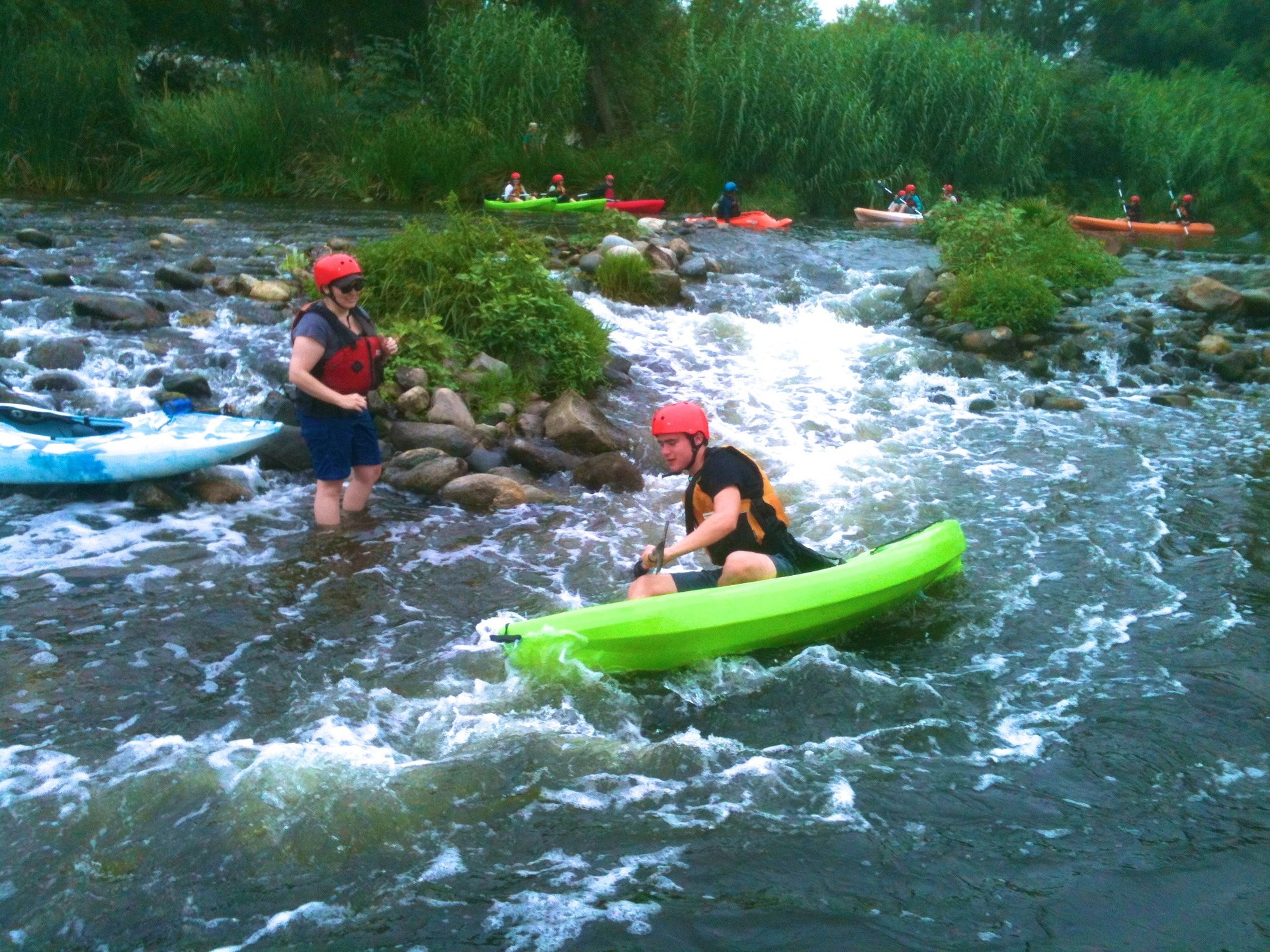
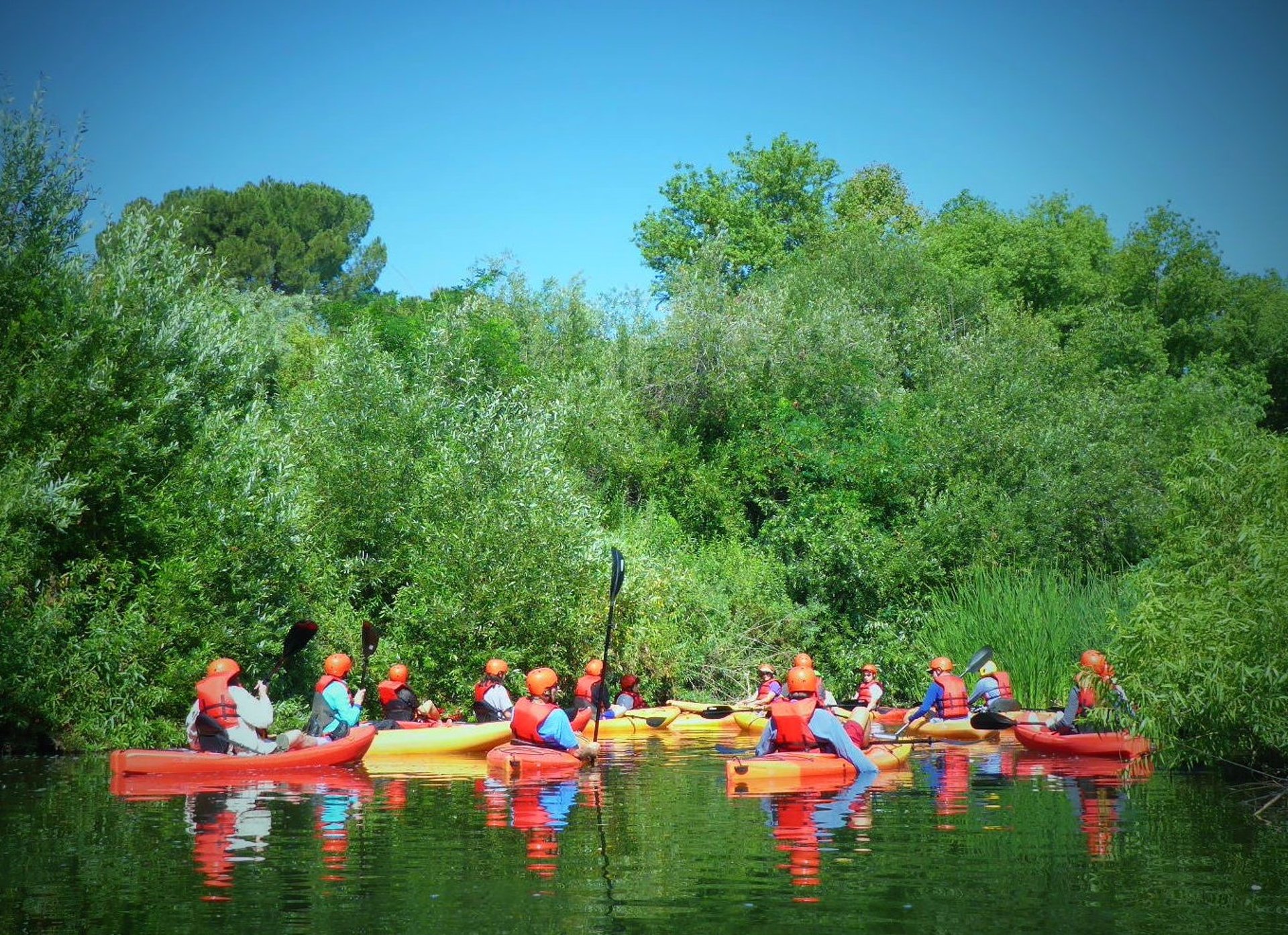
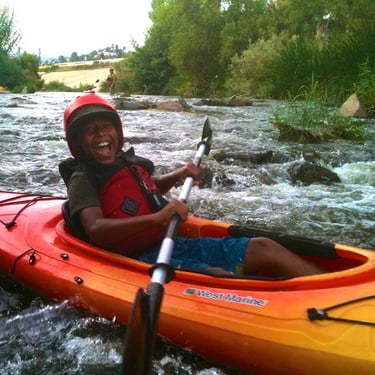
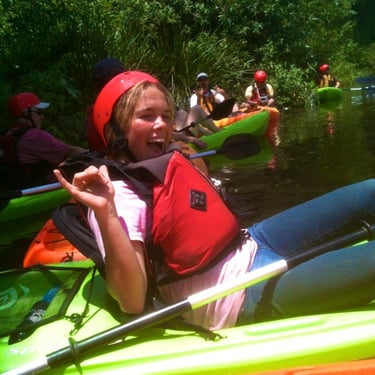
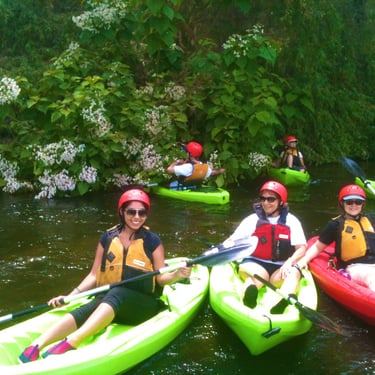
Later, in 2008, the LA River Expedition sent kayakers, cyclists, and walkers the full length of the river, proving that river recreation by the public was possible.
City, state and federal efforts followed. Plans like LARRMP and projects by the U.S. Army Corps of Engineers aimed to restore habitat, create parks, and soften the river’s edges. Progress is slow, uneven and often contested, but the clear direction is for less barriers and more connections.
Today, revitalization is still a work in progress—part policy, part grassroots energy, part stubborn hope. The river is being rewritten in layers: a trail here, a habitat patch there, a story retold. Slowly, the city is remembering what it once tried to forget—that a river, even one in concrete, is still alive.
The LA River Expedition
How a motley group of paddlers changed the river's destiny.
The 2008 LA River Expedition helped reshape how Los Angeles experienced its river. What had long only been seen from bridges and concrete banks became something you could move through—on water. It was a public reminder that the river was not gone, only waiting.
In 2010, a key determination by the US Environmental Protection Agency reinforced the river’s status as an protected waterway under the Clean Water Act. It strengthened the foundation for long-term restoration, revealing that the river still had an important ecological role as the city's centerpiece.
A 2011 pilot kayaking program tested the idea of structured, seasonal access to the river. The effort brought together partners including the Los Angeles Conservation Corps. It marked a practical step toward treating the river as both infrastructure and public space.
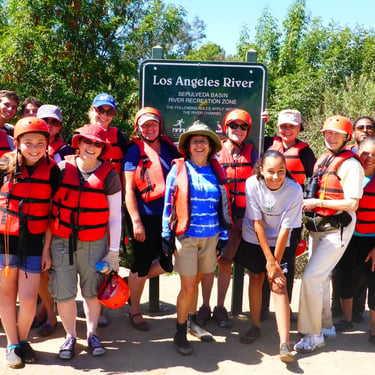
As the program matured, seasonal Recreation Zones began to take shape. Oversight and coordination expanded with the support of the Mountains Recreation and Conservation Authority, which established designated summer access areas where recreation and habitat restoration could coexist.
Within this evolving framework, LA River Expeditions was the original operator that translated policy into lived kayaking experience. Each tour turned abstraction into encounters—helping Angelenos see the river not as a barrier but as a living corridor running through the city's heart.
For more info, watch the doc film: Rock the Boat: Saving America's Wildest River
Maps & Key Locations
What are some important locations on the river?
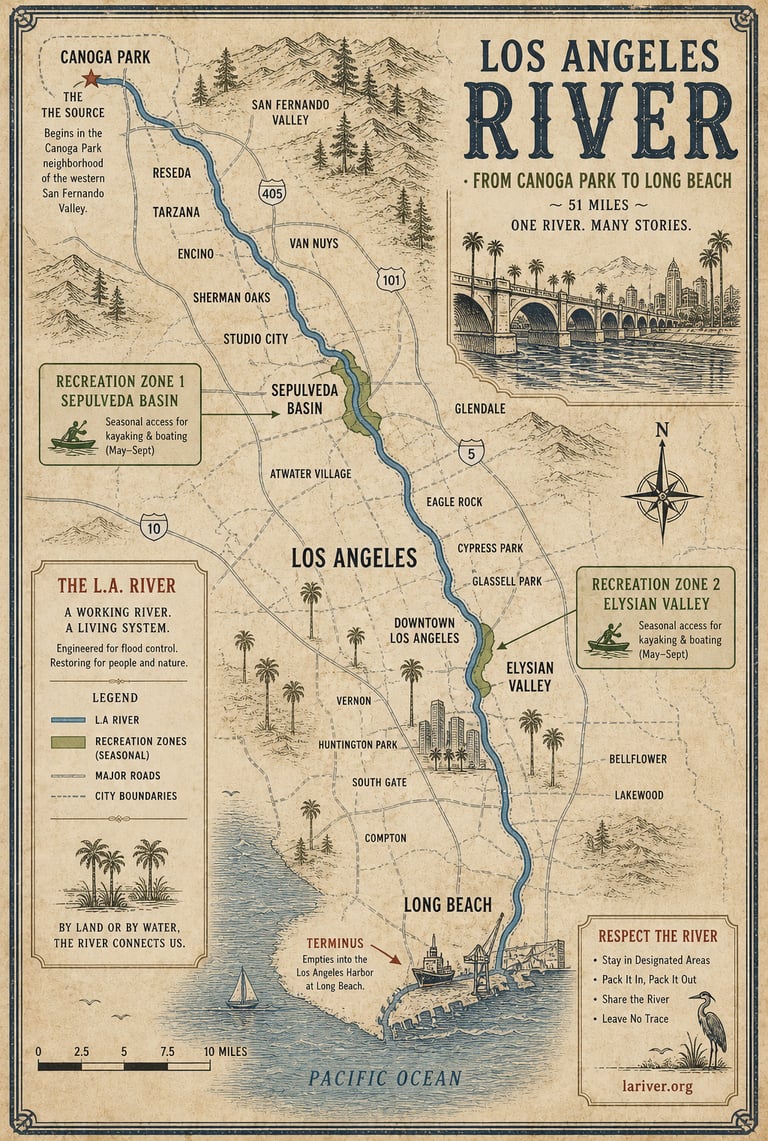
Photo Gallery
We've had some great times together!
Contact us
© 2026 LA River Expeditions. All rights reserved.